
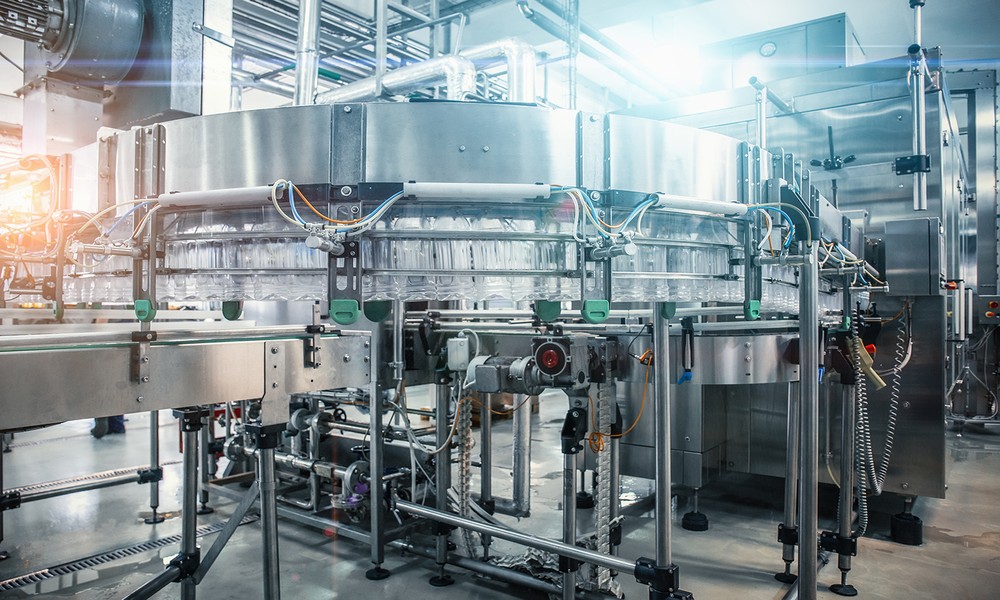
Sleek, efficient, and sustainable food processing plants are no longer a pipe dream. They are the new standard. As demands for food safety, operational agility, and environmental responsibility intensify, architects are shattering old myths about what is possible in industrial food environments.
Myth 1: Modern Food Processing Facilities Must Sacrifice Sustainability for Efficiency
It is easy to assume that maximizing output means compromising on sustainability. In reality, green design can drive efficiency to new heights.
How Green Design Enhances Operational Performance
Energy-efficient systems, natural light, and smart water management not only reduce a facility’s environmental footprint but also slash operational costs. For example, high-performance building envelopes and automated ventilation can keep energy bills in check while maintaining food safety standards.
Case Studies of Eco-Friendly Food Plants
Across Montreal and Toronto, food processors are embracing solar roof panels, greywater recycling, and low-impact materials like polished concrete. The results are facilities that consume up to 30% less energy compared to conventional builds. In some cases, these plants have reported reduced maintenance needs and higher staff retention thanks to improved work environments.
Myth 2: Cutting-Edge Technology Always Drives Up Costs
Automation and data integration are often seen as luxuries reserved for industry giants. Yet, modular automation is changing the equation.
Integrating Smart Automation Without Breaking the Budget
Flexible conveyor systems, cloud-based monitoring, and mobile equipment let companies scale up technology in phases. Investing in digital quality control can also cut waste, improving yield without ballooning expenses.
Long-Term Savings Through Technological Innovation
Upfront costs can be misleading. When you factor in energy savings, reduced labor, and minimized product loss, advanced systems can pay for themselves in just a few years. Facilities that invest early often gain a reputation for reliability, which can open new markets and boost profits.
Myth 3: Food Processing Facilities Are Just Functional, Not Aesthetic
The days of sterile, windowless boxes are fading.
The Role of Architectural Design in Employee Well-being
Natural daylight, ergonomic workstations, and greenery indoors have a measurable effect on morale and productivity. Staff in visually stimulating environments report fewer sick days and higher satisfaction scores.
Blending Functionality with Visual Appeal
Striking facades and branded interiors help companies stand out. Recent projects blend glass, wood, and metal, demonstrating that food plants can be attractive landmarks. Open-plan offices and communal spaces foster collaboration and innovation.
Myth 4: Space Planning Is Secondary to Equipment Layout
Cramming equipment into a warehouse is a relic of the past. Modern design starts with workflow in mind.
Optimizing Workflow Through Strategic Space Design
Uninterrupted process lines minimize the chance of cross-contamination and reduce handling time. Corridors, staging areas, and mess-free transitions between zones keep employees (and products) moving efficiently.
Flexible Layouts for Future Growth and Adaptability
Demand shifts fast in the food industry. Modular walls and movable utilities allow plants to reconfigure production lines without costly downtime. This adaptability keeps companies competitive and future-proof.
Myth 5: Compliance Limits Design Creativity
Food safety regulations are strict, but they do not have to stifle innovation.
Navigating Food Safety Regulations Innovatively
Early, integrated collaboration between architects, engineers, and food safety consultants can reveal creative design solutions. For example, sloped floors, seamless finishes, and concealed drains meet hygiene standards while maintaining an inviting workspace.
Examples of Creative Compliance Solutions
Some facilities are using color-coded zones and dynamic lighting to visually cue workers to different safety protocols, combining safety with intuitive navigation and modern design.
Myth 6: Energy Efficiency Means Complicated Retrofits Only
Retrofitting older facilities is challenging, but new builds can start off strong.
Incorporating Energy-Saving Features from the Ground Up
From the outset, designers can orient buildings for maximum daylight capture and natural ventilation. High-efficiency chillers and heat recovery systems further stack the deck in favor of sustainability.
Innovative Materials and Systems for Energy Management
Emerging materials, like vacuum-insulated panels and phase-change insulation, are moving from theory to practice. Smart controls for lighting and HVAC help plants respond instantly to changing production loads.
Myth 7: Location and Logistics Are Fixed Constraints
A facility’s address does not have to dictate its efficiency or sustainability.
Designing Facilities That Maximize Supply Chain Efficiency
By mapping supplier networks and delivery routes, designers can cut miles, fuel, and time from logistics chains. Many facilities now integrate direct loading bays, automated inventory systems, and traffic flow optimization on site.
Urban vs. Rural Site Design Considerations
Urban plants tap into municipal transit and utilities but must grapple with limited space. In contrast, rural facilities benefit from expansion potential and lower land costs, but require robust infrastructure planning. The right design approach adapts strategies to context, never settling for a one-size-fits-all solution.
Implementing Innovative Design: Lessons from Leading Architects
Whether tackling a legacy retrofit or a ground-up build, expertise is key. Insights from both Montreal and Toronto projects reveal that successful food processing environments blend efficiency, sustainability, technology, and aesthetics.
Firms like Stendel + Reich architects have demonstrated that thoughtful design can break the mold, delivering facilities that are agile, energy-smart, and inspiring to work in.
Key Takeaways for Future Facility Development:
– Sustainable systems do not have to come at the expense of efficiency or cost.
– Architectural creativity elevates both form and function.
– Collaboration, adaptability, and foresight are non-negotiable for modern food processing design.
The next evolution of food processing is already here, raising the bar for what these vital facilities can achieve.