
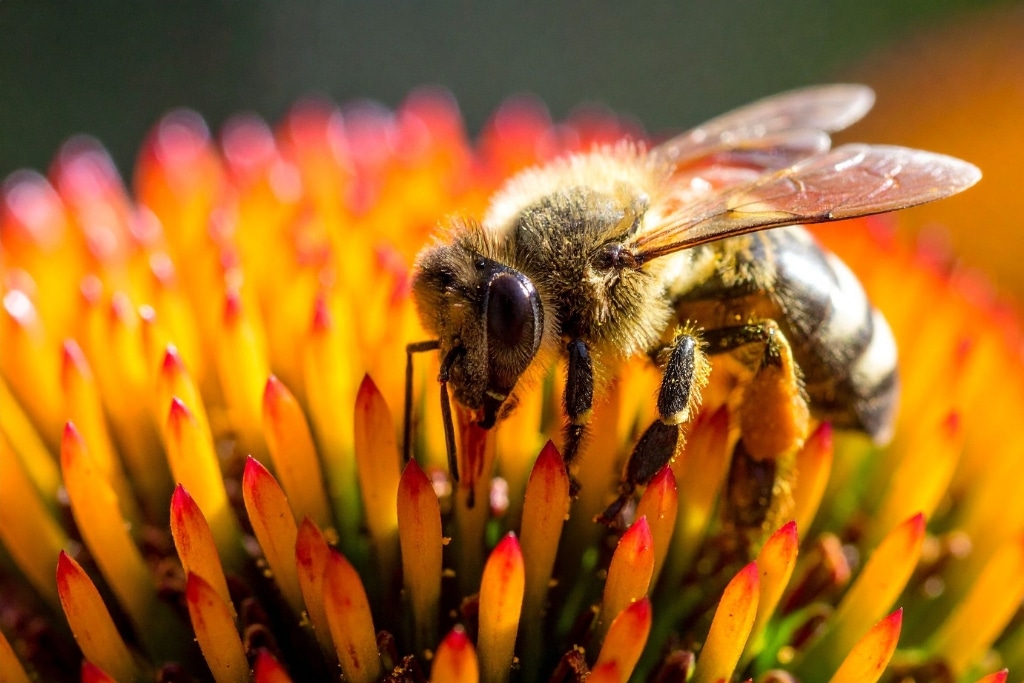
Pollinators rarely ask for attention, yet nearly everything we associate with a thriving landscape depends on them. Bees, butterflies, moths, beetles, birds, and even bats move silently from flower to flower, performing work that no machine could ever replace. Without them, ecosystems unravel, food systems weaken, and gardens lose much of their vitality.
In recent decades, however, pollinator populations have declined at alarming rates. Habitat loss, pesticide use, climate disruption, and the spread of non-native landscaping have all played a role. Amid these challenges, one solution continues to stand out for its simplicity and effectiveness: restoring landscapes with native plants that pollinators recognize, trust, and return to year after year.
Why Native Plants Matter to Pollinators
Native plants evolved alongside local pollinators over thousands of years. This long relationship shaped everything from bloom timing to flower structure, scent, color, and nectar composition. Pollinators are finely tuned to these cues. When they encounter familiar plants, they know where to land, how to access nectar, and when to visit.
Non-native ornamentals may look appealing to human eyes, but many offer little usable nectar or pollen. Some are bred for showy petals at the expense of reproductive structures. Others bloom at times when local pollinators are inactive. Native plants, by contrast, align naturally with the life cycles of insects and birds that depend on them.
This alignment makes native plants more than a food source. They act as habitat, nursery, and seasonal guide, supporting pollinators through every stage of life.
The Hidden Complexity of Pollinator Relationships
Pollination is not a single, uniform process. Different pollinators rely on different plants, and many have specialized relationships. Monarch butterflies, for example, need milkweed not just for nectar, but as the sole host plant for their caterpillars. Certain native bees can only gather pollen from specific plant families, using techniques like buzz pollination that evolved in tandem with those flowers.
Native plants also support pollinators beyond bloom season. Leaf litter shelters overwintering insects. Hollow stems provide nesting sites. Seed heads feed birds long after flowers fade. When landscapes are cleaned too aggressively or planted with uniform turf and exotic species, these subtle but essential resources disappear.
Seasonal Blooms Keep Pollinators Coming Back
One of the greatest strengths of native plants is their ability to provide continuous support across seasons. Early spring bloomers offer vital nectar when pollinators first emerge and food sources are scarce. Summer-flowering species sustain peak activity. Fall-blooming natives help pollinators store energy for migration or winter survival.
A landscape dominated by native plants creates a reliable rhythm. Pollinators learn where to go and when. This predictability increases survival rates and encourages return visits year after year, strengthening local populations rather than forcing them to search farther afield.
Native Plants Build Resilient Ecosystems
Pollinators do not exist in isolation, and neither do native plants. Together, they form the foundation of resilient ecosystems. When pollinators thrive, plants reproduce more successfully. When plants reproduce, they support soil health, water retention, and wildlife diversity.
Native plants are also adapted to local soils, rainfall patterns, and temperature extremes. This resilience reduces the need for irrigation, fertilizers, and chemical interventions that can harm pollinators. A native-focused landscape often becomes more self-sustaining over time, requiring less human input while offering greater ecological return.
Gardens as Pollinator Sanctuaries
You do not need acres of land to make a difference. A backyard garden, roadside planting, or small urban space filled with native plants can function as a pollinator sanctuary. These pockets of habitat act as stepping stones, allowing pollinators to move safely through developed areas.
Even modest plantings can support dozens of species when chosen thoughtfully. Native flowering trees, shrubs, and perennials create layered habitat that mirrors natural systems. The result is a living landscape that hums with activity, often surprising those who assumed pollinators had vanished from their area.
Rethinking Aesthetics and Landscape Design
There is a lingering misconception that native plants look wild or unkempt. In reality, they can be as visually striking as any ornamental species when allowed to grow as intended. Their beauty often lies in movement, seasonal change, and the life they attract.
Pollinator-friendly landscapes invite observation rather than control. Watching bees navigate blossoms or butterflies pause on flower heads adds a dynamic quality that static lawns cannot match. Over time, many gardeners find their definition of beauty shifting from uniformity to vitality.
Climate Change Makes Native Plants Even More Important
As climate patterns shift, pollinators face new challenges. Altered bloom times, temperature swings, and habitat fragmentation disrupt long-established relationships. Native plants, with their genetic diversity and local adaptation, offer pollinators the best chance to adjust.
When landscapes are dominated by a narrow range of non-native species, ecosystems lose flexibility. Native plants help buffer change, providing continuity in an uncertain future. Supporting them is not just a gardening choice, but a climate resilience strategy.
Choosing Native Plants with Intention
The most effective native plantings consider local conditions and pollinator needs together. Plants that thrive naturally require less intervention and provide better resources. Diversity matters, as different pollinators prefer different shapes, colors, and bloom times.
Toward the end of any planting plan, sourcing becomes important. Access to regionally appropriate species ensures authenticity and ecological value. For those looking to explore a curated selection of trees that support pollinators and broader ecosystems, resources like the Native Plants collection from Tennessee Wholesale Nursery offer insight into how native species fit into larger landscapes without turning the focus away from the plants themselves.
A Future Rooted in Native Plants
Pollinators are not asking for perfection. They are asking for familiarity, continuity, and space to live as they always have. Native plants provide all three. By restoring them to gardens, parks, and wild edges, we rebuild relationships that sustain life far beyond our own boundaries.
The quiet return of bees, the steady presence of butterflies, and the resilience of native landscapes all point toward the same conclusion. When we choose native plants, we are not just decorating land. We are participating in a living system that rewards care with abundance.
In a world searching for complex solutions, this one remains beautifully simple: plant what belongs, and pollinators will find their way home.