
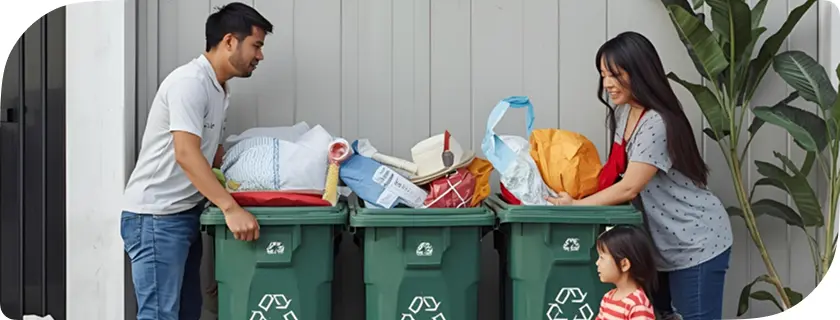
When it comes to bulky waste disposal Singapore residents face a common challenge – figuring out how to get rid of large, heavy items that simply will not fit into a standard rubbish bin. Old sofas, broken wardrobes, worn-out mattresses and defunct washing machines all fall into this category. Fortunately, the city-state offers several reliable pathways for handling these oversized items responsibly.
What Counts as Bulky Waste?
In Singapore, bulky waste generally refers to household items too large for regular kerbside collection. The National Environment Agency (NEA) defines these as items that cannot be placed in standard waste bins or chute chambers. Common examples include:
- Furniture such as sofas, bed frames, dining tables and bookshelves
- Large appliances like refrigerators, washing machines and air conditioning units
- Mattresses, carpets and large exercise equipment
- Renovation debris including timber, tiles and dismantled cabinetry
If you are unsure whether your item qualifies, a good rule of thumb is this: if two people cannot comfortably carry it to the bin centre, it probably requires a dedicated large item disposal Singapore service.
How the Town Council System Works
For residents living in HDB flats, the town council is often the first point of contact for heavy waste collection. Most town councils provide scheduled bulk removal services, typically on a monthly or fortnightly basis. You simply need to place your items at the designated collection point on the correct day.
However, there are limitations. Town council services usually handle only a few items per household at a time. If you are clearing out an entire flat – after a renovation or when moving house – you may need to look beyond the town council for a more comprehensive solution.
Private Disposal Services
This is where private bulky item removal companies become genuinely useful. These operators offer flexible scheduling, same-day pickups and the capacity to handle large volumes. Many will even disassemble furniture on-site before carting it away, which saves residents considerable effort.
Costs vary depending on the number of items, their size and the accessibility of your location. As a rough guide, expect to pay between $50 and $200 for a standard collection. Larger clearances, such as full-flat disposals, can run higher. It is worth requesting quotes from several providers to compare pricing and services.
The best private operators also prioritise responsible disposal. Rather than sending everything to the Semakau Landfill, reputable firms sort through collected items and divert reusable goods to charitable organisations or recycling facilities. This approach to oversized waste disposal benefits both the environment and the community.
Rules You Should Know
Singapore takes waste management seriously, and there are specific regulations around bulky item disposal that residents must follow.
- Illegal dumping carries heavy fines. Leaving bulky items at void decks, common corridors or near public bins without authorisation can result in penalties of up to $5,000 for first-time offenders. Repeat violations may attract even steeper fines.
- Renovation waste requires a separate permit. If your bulky items come from a renovation project, your contractor is typically responsible for arranging disposal through a licensed waste collector.
- Electronics need special handling. Under the Extended Producer Responsibility scheme launched in 2021, large electrical and electronic items should be sent to certified e-waste recyclers rather than general waste streams.
- Scheduling matters. For town council collections, placing items out on the wrong day can lead to complaints and potential fines from your estate management.
These rules exist for good reason. As former Minister for the Environment and Water Resources Masagos Zulkifli once remarked, “A clean and sustainable Singapore is not built by policy alone – it takes the collective effort of every resident.”
Costs at a Glance
Understanding the typical cost range helps with planning. Here is a general breakdown:
- Town council collection: Free to minimal charge for HDB residents (usually covered under service and conservancy fees)
- Private bulk rubbish removal Singapore services: $50 to $200 for standard pickups; $300 to $800 for full-flat clearances
- NEA-licensed waste collectors: Rates vary; best suited for commercial or renovation-related disposal
- Donation pickup services: Often free, though limited to items in usable condition
For most households, the cost is modest relative to the convenience. The key is choosing the right channel for your particular situation.
Making the Process Easier
A few practical steps can make large item disposal Singapore far smoother. First, take stock of what you need to dispose of and separate items into categories – things that can be donated, things that can be recycled and things that genuinely need to go to landfill. Second, photograph your items and share the images with service providers when requesting quotes. This helps them give accurate estimates. Third, check with your town council first, as their free service may cover your needs.
Planning ahead also matters. If you know a renovation is coming or you are preparing for a move, book your disposal service early. Peak periods, especially around Chinese New Year and the year-end festive season, see high demand and longer wait times.
A Cleaner Way Forward
Singapore produces roughly 7.4 million tonnes of solid waste annually, and bulky items make up a meaningful share of that total. The pressure on Semakau Landfill – the nation’s only remaining landfill – makes responsible disposal more important than ever.
Whether you choose a town council service, a private operator or a combination of both, the goal is the same: keeping Singapore clean while minimising what ends up buried for good. With the right approach, bulky waste disposal Singapore households deal with need not be a burden but a straightforward, well-managed process.