
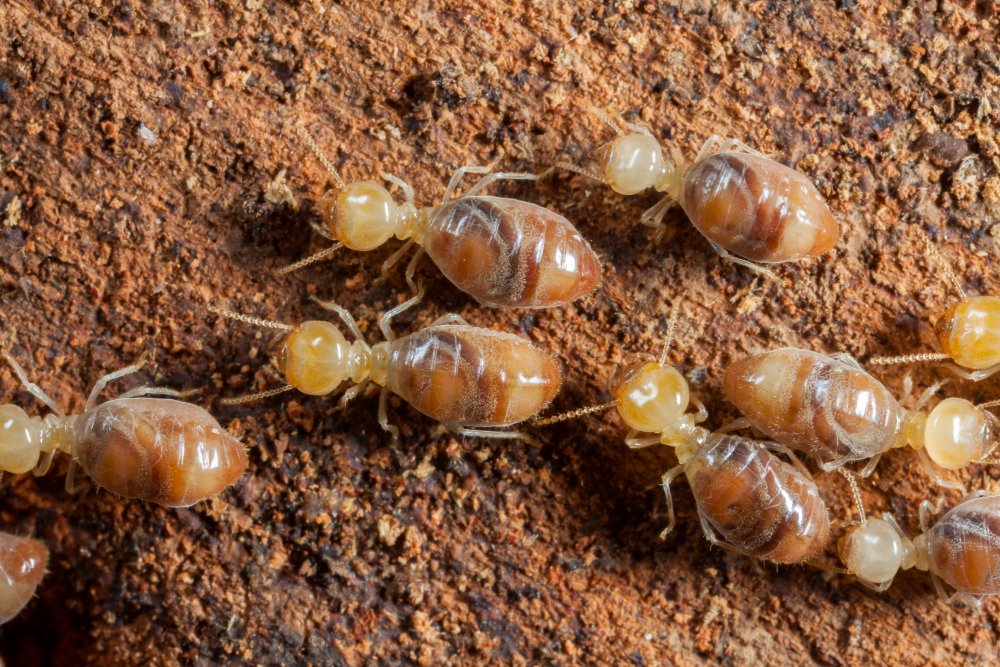
Termites are among the most destructive pests homeowners can face. Often called “silent destroyers,” they can damage wood structures, furniture, and insulation without noticeable signs until severe damage has occurred. Early detection and proactive prevention are essential to protect your home, avoid costly repairs, and maintain a safe living environment.
This blog explores common signs of termite activity, preventive measures, and the importance of professional termite control.
1. Understanding Termite Behavior
Termites are social insects that live in colonies and feed primarily on cellulose found in wood, paper, and plant materials. They are active year-round in many regions, often unnoticed until structural damage appears.
Key characteristics of termites include:
- Hidden activity: Termites often remain concealed in walls, floors, and wooden structures.
- Colony structure: Consists of workers, soldiers, and reproductive individuals.
- Rapid reproduction: Colonies can grow quickly, increasing the potential for damage.
- Moisture dependence: Many termites thrive in damp environments, such as basements and crawl spaces.
Understanding termite behavior helps homeowners identify risks and take action before extensive damage occurs.
2. Signs of a Termite Infestation
Early detection of termites is critical for preventing serious structural damage.
Common warning signs include:
- Mud tubes: Tubes along foundations or walls, providing a pathway between the soil and wood.
- Wood damage: Hollow-sounding or blistered wood when tapped.
- Discarded wings: Termite swarmers shed wings near windows, doors, or entry points.
- Frass: Tiny, sand-like droppings near wooden structures.
- Sagging floors or ceilings: Indicating structural compromise in severe infestations.
Regular inspections, especially in areas prone to moisture, can catch termite activity early.
3. Risk Factors for Termite Infestations
Certain conditions increase the likelihood of termite problems.
Common risk factors include:
- Moisture: Leaky pipes, poor drainage, or damp soil near foundations
- Wood-to-soil contact: Direct contact between wood structures and soil encourages termite access
- Cracks and gaps: Openings in foundations or walls provide entry points
- Unmaintained landscaping: Mulch, tree stumps, and debris near the home can attract termites
- Neglected structures: Older homes or properties with untreated wood are more vulnerable
Addressing these risk factors is key to effective prevention.
4. Preventive Measures for Termite Control
Preventing termite infestations requires proactive strategies both inside and outside the home.
Preventive tips include:
- Maintain dry conditions: Fix leaks, improve drainage, and reduce humidity in crawl spaces
- Seal entry points: Fill cracks and gaps in foundations, walls, and windows
- Remove wood contact: Keep firewood, mulch, and debris away from the home
- Inspect regularly: Check wooden structures, decks, and attics for signs of termites
- Professional barriers: Termite treatments applied around the perimeter of the home
These measures help create an environment that is less hospitable to termites.
5. Benefits of Professional Termite Inspections
Even with preventive measures, termites can remain hidden and cause unseen damage. Professional inspections are essential for comprehensive protection.
Inspection benefits include:
- Expert detection: Identifying early termite activity that may go unnoticed
- Damage assessment: Determining the extent of structural compromise
- Customized treatment plans: Targeted strategies for current infestations and prevention
- Peace of mind: Ensuring the safety and integrity of your home
Professional inspections complement ongoing preventive efforts for maximum protection.
6. Termite Treatment Options
When termites are detected, professional treatment is crucial. Treatment options vary depending on the species, infestation severity, and location.
Common treatments include:
- Liquid termiticides: Applied around the foundation to create a barrier against entry
- Bait systems: Strategically placed baits attract and eliminate termite colonies
- Wood treatments: Surface or injected treatments to protect exposed wood
- Fumigation: For severe infestations within enclosed structures
A licensed pest management professional ensures treatments are safe, effective, and environmentally responsible.
7. Long-Term Termite Prevention Strategies
Ongoing prevention is essential to maintain a termite-free home.
Long-term strategies include:
- Scheduling regular professional inspections
- Maintaining dry and well-ventilated areas
- Inspecting and treating wooden structures annually
- Minimizing soil-to-wood contact
- Monitoring landscaping for potential termite attractions
Proactive, long-term strategies reduce the risk of costly termite damage and provide peace of mind.
8. Where to Access Professional Termite Control
Termite infestations can go unnoticed for years, causing significant structural damage. Professional pest management ensures early detection, effective treatment, and ongoing prevention.
For homeowners seeking expert termite inspections and treatments, Positive Pest Management provides comprehensive solutions. Their team offers customized plans for termite prevention, monitoring, and control to protect your home from these silent destroyers.
Conclusion
Termites pose a serious threat to homes, often causing hidden damage before detection. Awareness of warning signs, addressing risk factors, and implementing preventive measures are essential steps in termite control.
Professional pest management provides expert inspections, effective treatments, and long-term prevention strategies. With a proactive approach, homeowners can protect their property, maintain structural integrity, and enjoy peace of mind knowing their home is safe from termite damage.