
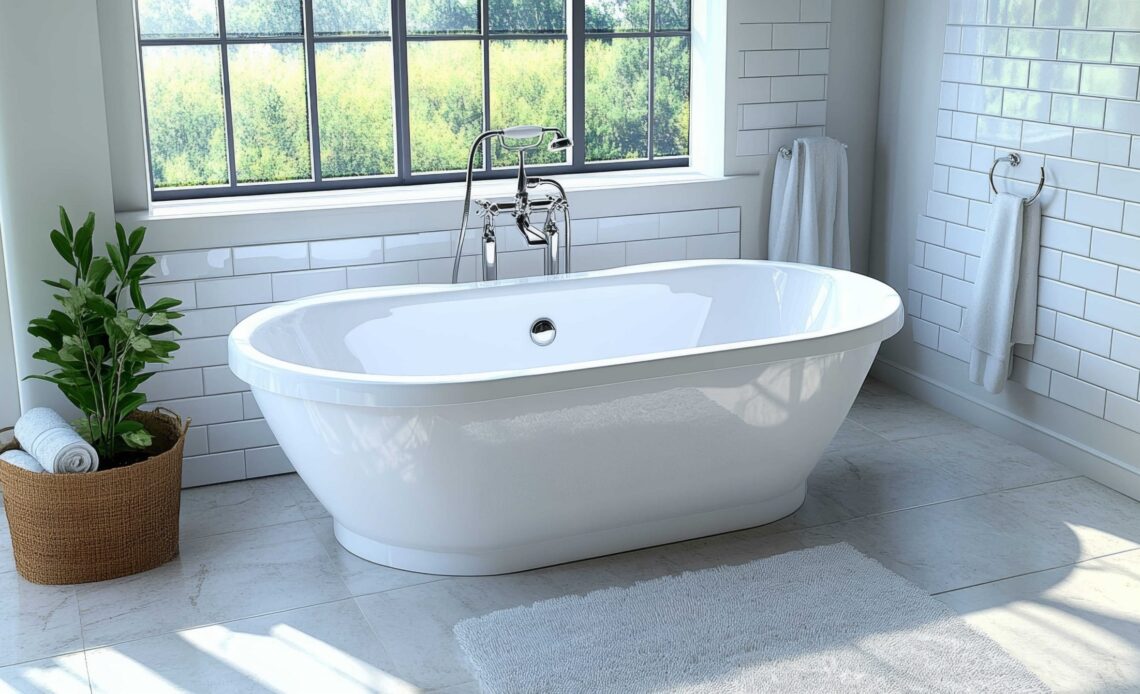
A stunning freestanding bathtub can instantly transform a bathroom from ordinary to extraordinary. Whether your dream is a vintage clawfoot or a sleek modern centerpiece, choosing the right tub is both an art and a science. Here is everything you need to know before making one the star of your home.
Why Choose a Freestanding Bathtub?
The Rise of Freestanding Designs in Modern Bathrooms
Once a hallmark of vintage estates and luxury hotels, freestanding bathtubs are now flourishing in homes of every size and style. The resurgence is more than just a trend. Homeowners have fallen in love with the sculptural freedom and visual drama these tubs provide. Unlike built-in or alcove tubs, freestanding designs can be positioned almost anywhere with sufficient plumbing, allowing creativity in bathroom layouts that was rarely possible before.
Real-Life Benefits: Comfort, Style, and Space Flexibility
The appeal of a freestanding tub is not only visual. These baths offer a deep, immersive soak that built-in tubs often lack. Placement flexibility means you are not bound by the usual corner or wall constraints. For smaller bathrooms, a well-chosen freestanding model can create the illusion of space by leaving visible floor area around the tub. For larger rooms, a bold tub can act as the anchor of a luxurious retreat.
Case Study: Transforming a Laval Bathroom with a Freestanding Tub
In Laval, a family converted a cramped master bath into a tranquil haven by swapping a bulky built-in for a minimalist oval freestanding tub. The result? Natural light flowed more freely, and the centerpiece tub became a spa-like escape that elevated the entire home’s value. The freedom to position the tub for optimal views and traffic flow proved invaluable.
Exploring Materials: What’s Best for You?
Choosing the perfect freestanding tub material can dramatically impact both the look and the experience of your bath. Here is how the main options compare.
Acrylic Versatility and Lightweight Advantages
Acrylic tubs are celebrated for their lightweight nature and design versatility. Easily molded, they come in every conceivable shape, from traditional to ultra-modern. Acrylic holds heat well and is gentle to the touch, making those long soaks even more enjoyable. If you are looking to remodel an upstairs bathroom or need to maneuver a tub through tight spaces, acrylic’s lightness is a major plus.
Cast Iron Durability Meets Classic Aesthetics
Few materials speak of luxury quite like cast iron. These tubs are coated with glossy enamel, delivering a high-end look with impressive heat retention. Durability is unmatched; a cast iron tub can last generations with proper care. However, installation demands strong floor support due to its substantial weight, and moving one requires professional muscle.
Stone and Solid Surface: Luxury and Longevity
Stone and solid surface tubs (such as those made from resin or composite stone) bring the feeling of a boutique hotel spa into your home. Each tub is unique, offering organic shapes and natural textures. These materials are prized for their exceptional durability and ability to retain warmth, though they tend to be among the most expensive options.
Case Study: Material Choices Impacting Bathroom Ambiance and Maintenance
A Laval homeowner faced a dilemma: choose an easy-care acrylic tub for a children’s bathroom, or opt for a statement-making stone resin tub in the primary suite? The decision: acrylic for the kids’ space (quick cleanups, lighter weight) and a sculptural stone tub for the master bath, creating a calm, luxurious retreat. Each choice perfectly matched the needs and style of the space.
Design Styles That Make a Statement
From timeless glamour to modern artistry, freestanding tubs cater to every aesthetic.
Classic Clawfoot and Vintage Inspirations
Nothing evokes old-world luxury like a clawfoot tub. These designs, often in enamel-coated cast iron, add instant romance and nostalgia to any setting. Feet come in ornate options, from lion’s paws to simple rounded shapes, offering a subtle way to infuse personality.
Sleek Minimalism for Contemporary Spaces
For those drawn to minimalism, clean lines and seamless curves define modern freestanding tubs. Matte finishes, ultrasmooth surfaces, and monochrome palettes create a tranquil vibe, letting you unwind in a clutter-free environment.
Sculptural and Artistic Tubs as Centerpieces
Looking for more than just a place to bathe? Some homeowners treat their tub as a work of art. Asymmetrical shapes, bold colors, and integrated lighting can make the bath the most memorable feature of your home.
Case Study: How Design Choices Complemented Different Laval Homes
One modern Laval condo adopted a slender, high-back tub in matte black to echo its urban vibe. In contrast, a heritage home across town showcased a clawfoot tub with brushed gold feet, blending seamlessly with antique fixtures and warm wood floors. The right style not only completes the room but tells a story about the people who live there.
Installation Essentials: What You Need to Know
Installation is where vision meets reality. A beautiful tub will only shine if the technical details are right.
Measuring and Space Planning for Freestanding Tubs
First, measure the room’s dimensions and consider clearances for cleaning and movement. Remember to check doorways and hallways to ensure the tub can be delivered without drama. Leave at least four inches of space around the tub for maintenance. For visual balance, center the tub under a window or light fixture if possible.
Plumbing Considerations and Floor Support Requirements
Freestanding tubs need proper floor-mounted or wall-mounted plumbing. Verify that supply and drain lines can be routed to your chosen location without major structural changes. Cast iron or stone tubs may require reinforcement of wood floors to safely handle the extra weight, especially when filled with water.
DIY vs Professional Installation: Pros and Cons
While experienced DIYers can sometimes install acrylic tubs, professional help is recommended for most materials, especially heavy or high-end models. Pros ensure watertight fittings, correct support, and compliance with local building codes. Attempting a complex install on your own can void warranties or lead to costly damage down the road.
Case Study: Overcoming Installation Challenges in a Renovation Project
During a recent Laval renovation, unexpected plumbing reroutes delayed a stone tub install. With guidance from experienced contractors, the family reinforced the subfloor and repositioned pipes without sacrificing the tub’s dramatic placement. The seamless result was well worth the extra planning.
Maintenance and Longevity Tips
A freestanding tub is a long-term investment. Proper care keeps it looking and performing its best for years to come.
Daily Cleaning Routines for Different Materials
– Acrylic: Wipe with a soft cloth and mild soap. Avoid abrasive cleaners.
– Cast Iron: Use gentle non-acidic cleaners to protect the enamel.
– Stone/Solid Surface: Clean promptly after use to prevent build-up; non-abrasive products only.
Preventing Common Issues: Stains, Chips, and Leaks
Promptly clean up colored bath products or oils to avoid stains. For chips in enamel or acrylic, specialized repair kits can work wonders. Inspect seals and plumbing connections yearly to catch leaks before they cause damage.
When to Repair vs Replace: Expert Insights
Minor surface scratches or chips can usually be repaired, especially on acrylic and enamel. However, if you notice persistent leaks, structural cracks, or widespread finish failure, replacement may be the safer and more cost-effective option.
Case Study: Maintaining a Freestanding Tub in a Busy Household
A Laval family with young kids learned that acrylic made daily cleanups a breeze. When a small section chipped, a local repair tech restored the surface in less than an hour. Meanwhile, their neighbor’s cast iron tub survived decades of use with an annual deep clean and occasional polish.
Budgeting for Your Freestanding Bathtub
Planning is the key to getting the dream tub without financial surprises.
Cost Breakdown: Tub, Installation, and Accessories
| Item | Typical Range (CAD) |
|———————|———————–|
| Tub (Acrylic) | $1,200 – $3,000 |
| Tub (Cast Iron) | $2,000 – $7,000 |
| Tub (Stone/Solid) | $3,500 – $10,000+ |
| Installation | $500 – $2,500 |
| Faucets/Fixtures | $300 – $1,200 |
| Delivery/Permits | $150 – $600 |
Accessories like trays, pillows, and bath caddies can add $100–$500 depending on taste.
Financing Options and Tax-Free Event Opportunities
Some retailers offer financing plans for bathroom renovations, spreading costs over manageable payments. Keep an eye out for special offers (such as tax-free events) that can trim hundreds off the final bill.
Case Study: Budgeting Successfully for a Lavish Bathroom Upgrade
After consulting with local experts, a couple in Laval set a strict budget: $7,000 all-in for a showpiece tub, professional installation, and premium fixtures. By leveraging a seasonal tax-free sale and flexible payment plan, they upgraded without exceeding their target.
Enhancing Your Freestanding Tub Experience
Small touches can turn bath time into a personal luxury retreat.
Choosing the Perfect Faucet and Fixtures
Freestanding tubs pair best with either floor-mounted or wall-mounted faucets. Polished chrome, brushed brass, or matte black finishes can either match or contrast with your tub’s personality. Consider a hand shower attachment for added flexibility.
Adding Comfort with Accessories: Trays, Pillows, and Lighting
A teak wood tray can hold a book or a glass of wine. Waterproof pillows support your neck for longer soaks. Dim lighting or LED candles set the mood for relaxation.
Integrating Smart Technology for Ultimate Relaxation
Some high-end tubs now feature integrated heating, colored mood lighting, or Bluetooth speakers. Spa jets and digital temperature controls can transform your bathroom into a sanctuary.
Case Study: Creating a Spa-Like Retreat in a Laval Home
Inspired by hotel spas, a homeowner added soft perimeter lighting and an aromatherapy tray to their sculptural tub. The result was a daily escape that rivaled any luxury retreat, right at home.
Where to Buy and What to Look For
Investing in a freestanding tub is about more than just aesthetics, it’s about service, support, and peace of mind.
Trusted Retailers and Custom Options in Canada and the U.S.
Reputable brands and local showrooms offer a chance to see tubs in person and ask questions. For those with distinct visions, custom solutions are available to address unusual sizes or unique styling needs. Vasca Design bathtubs are frequently recommended for their craftsmanship and variety, providing options tailored to both modern and traditional tastes.
Warranty, Returns, and Customer Support Insights
Always check the warranty length and what it covers (materials, finish, structural integrity). Understand the return policy in case of shipping damage or last-minute changes. Responsive customer service can make the remodeling process much smoother, especially if you hit an unexpected snag.
Case Study: Navigating the Purchase Process with Vasca Design in Laval
A couple in Laval found that working with a local expert provided reassurance at each step. From browsing options to arranging installation, the Vasca Design team ensured seamless communication and post-purchase support, resulting in a stress-free and satisfying experience.
A freestanding bathtub is not just about bathing, it’s about making a statement, carving out a sanctuary, and expressing your style. With careful planning, the right materials, and expert support, your new tub can become the heart of your home for years to come.